How much more expensive is an English-speaking dentist compared to a Japanese-only clinic?
+
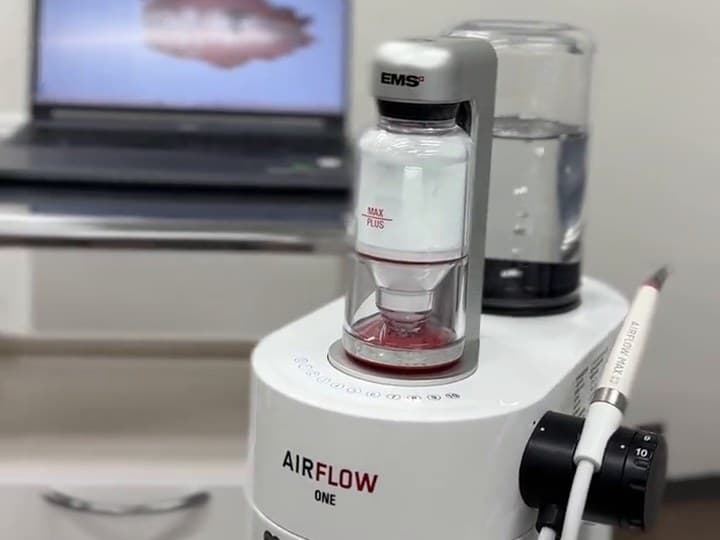
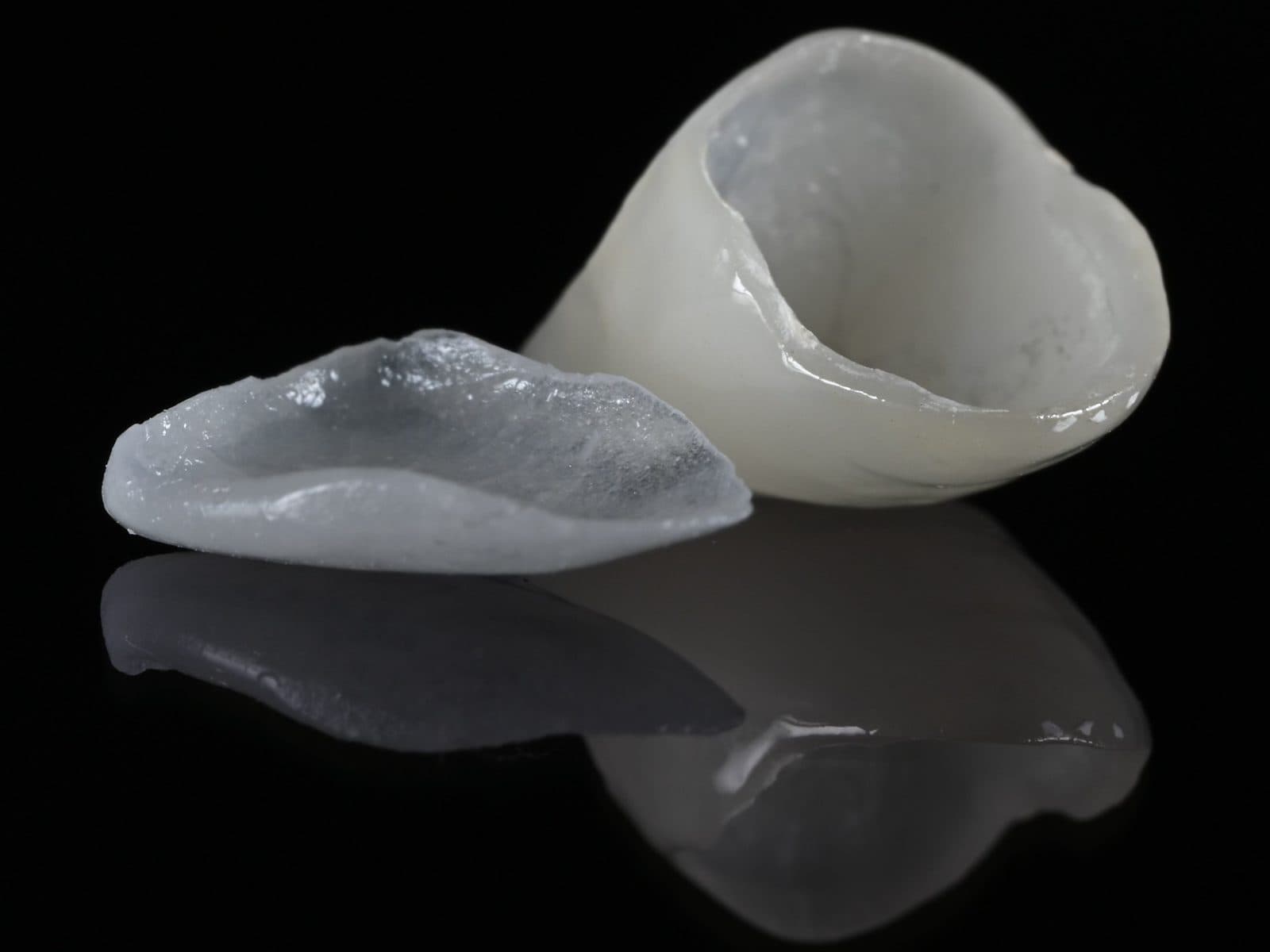
Premium English-speaking Tokyo clinics generally do not charge a separate “international patient” markup; the higher costs reflect the broader operating model — premium materials (American-made Hiossen implants as Rodin's primary system, Straumann and Nobel Biocare as alternatives; IPS e.max ceramics), digital workflows (Medit i700 intraoral scanning, in-office CBCT, 3D-printed surgical guides), longer appointment times, multilingual staff, and the privately-billed (non-NHI) structure. A Japanese-language clinic operating within the National Health Insurance system can deliver routine work at a fraction of the cost a foreign patient pays at our type of clinic. The cost difference reflects different service models, not surcharges on the same service.
Can I use my home country's dental insurance in Tokyo?
+
It depends on the insurer. Most US-based domestic dental insurance (Delta Dental, MetLife, Cigna Dental etc.) does not cover treatment received outside the US. Most international expat policies (CIGNA Global, AXA Global Healthcare, BUPA International, Allianz Worldwide Care, GeoBlue, IMG Global, Pacific Cross) do cover overseas treatment, with significant variation by policy on what's included. We provide itemised English invoices and treatment certificates suitable for reimbursement claims; eligibility decisions sit with your insurer. Confirm coverage with your insurer before booking.
Where did the dentist treating me complete their training?
+
Our lead Prosthodontist, Dr. Ryosuke Murai, completed undergraduate dental training at Aichi Gakuin University School of Dentistry and graduate prosthodontics training at Indiana University School of Dentistry in the United States. He is a Member of the American College of Prosthodontists. Other Rodin clinicians have varied training paths; specific clinician credentials are confirmed in writing for any case where it matters.
Do I need to bring an interpreter?
+
Not if you choose a clinic that delivers care in English end-to-end. At Rodin, consultations, treatment plans, consent forms, and aftercare instructions are issued in English by the treating clinician. Mandarin, Korean, and Spanish team support is arranged on request when patients prefer their first language for sensitive discussions.
What if I need emergency dental care?
+
Message us on WhatsApp first. We aim to reply within 15 minutes during clinic hours and will tell you the earliest time we can see you. You can also book the Emergency Consultation (¥19,900) online at any time, or walk in during clinic hours; same-day times depend on the day's schedule. The consultation covers the examination and a plan for relief; X-rays and treatment are charged separately. For emergencies when the clinic is closed (late evenings, public holidays), patients are typically directed to dental emergency facilities, and we can recommend one based on your location.
How are appointments scheduled?
+
Online booking is open 24 hours a day and confirms your time straight away; available times are shown live. You can also reach us on WhatsApp (we aim to reply within 15 minutes during clinic hours), LINE, email, or by phone during clinic hours. Emergency slots are arranged the same day where the schedule allows. You do not need an online consultation before booking a first visit.
Can I get a second opinion from another clinic?
+
Yes, and we encourage it for complex cases. Our written treatment plans are designed to be portable: itemised fees, named materials, clear procedure descriptions. You can take the plan to any other dentist for a second opinion without losing detail in translation. We bill the ¥19,900 consultation fee whether or not you proceed with treatment at Rodin.
Do you treat children?
+
Yes — paediatric dentistry is offered at Rodin, including preventive care and early orthodontic intervention (Myobrace, Smartee, Invisalign First). The paediatric team operates in English. For very young children or special-needs cases, we may recommend a specialised paediatric clinic; this is discussed at consultation.
How do I transfer my dental records from my previous dentist?
+
Most international dentists release records to the patient or to a new clinic on written request. Forward your latest X-rays, CT scans, and treatment summary to us at info@rodin-dental.jp before the first visit — we'll review them as part of your case preparation. If your previous clinic only releases records to the patient, we provide a written request template you can send them.
What about prescription medications?
+
Prescription dental medications (post-operative antibiotics, pain medication, antimicrobial mouthwash) prescribed at Rodin can be filled at any Japanese pharmacy. The prescription is in Japanese but the pharmacist is trained to fill it without further information. We provide written usage instructions in English alongside the prescription.
How do I choose an English-speaking dentist in Tokyo?
+
Look for five things: documented postgraduate training in an English-speaking country (the clinic should name the school and programme); itemised English invoices and treatment certificates suitable for international insurance claims; modern diagnostic equipment and named, internationally recognised materials; a contact channel you can actually use, such as WhatsApp or LINE with replies in English; and a clear process for same-day emergencies. Be cautious if a clinic will not put fees in writing before you book, pushes for same-day commitment to major treatment, or offers only a verbal treatment plan.
What should I ask a clinic before booking?
+
Ask, ideally in writing: where the treating dentist trained; whether you will receive a written English treatment plan with itemised fees before any work begins; which materials and brands are used; whether invoices include procedure codes for insurance claims; what the consultation fee includes; who answers WhatsApp or LINE messages and in what language; how dental emergencies are handled; what workmanship warranty terms apply, in writing; who administers IV sedation; and what the cancellation policy is. How quickly and clearly a clinic answers tells you a great deal.
What does “English-speaking dentist in Tokyo” actually mean?
+
Many Tokyo clinics list themselves as English-friendly, but the experience varies enormously once you walk in the door. Some have a single bilingual receptionist who translates during appointments; others have foreign-trained dentists who deliver care in fluent English end-to-end. The distinction matters most when something goes wrong — when you need to give informed consent for surgery, understand a sedation protocol, or describe pain accurately. Working through trade-offs (implants vs bridges, e.max vs Zirconia, sedation vs local anaesthesia) in your second or third language leaves room for serious misunderstandings. At Rodin, every consultation, treatment plan, consent form, and aftercare instruction is delivered in English by clinicians who trained or practised in English-language programmes. Our lead Prosthodontist, Dr. Ryosuke Murai, completed his graduate prosthodontics training at Indiana University School of Dentistry in the United States.
You want dental care you can actually understand — in English
+
Getting dental care abroad is stressful when you can't follow what's being said — and no one wants treatment to move forward before they understand it. At RODIN, everything from your first message through treatment and aftercare is handled in English by a multilingual team — no Japanese required. Below: how care works, what it costs, and real outcomes. Walk-ins are welcome on opening days. Wait times vary, so we recommend booking online or messaging us on WhatsApp before you visit.
English-friendly vs care delivered in English
+
A clinic that calls itself “bilingual” and a clinic where every clinician treats foreign patients daily in fluent English are not the same. The comparison below summarises what international patients tell us they look for. Consultation language — Rodin: End-to-end English by the treating dentist Typical English-friendly Tokyo clinic: Bilingual receptionist translates during appointments Treatment plans — Rodin: Written in English with itemised fees before treatment Typical English-friendly Tokyo clinic: Verbal plans, or written plans in Japanese only Consent forms — Rodin: English versions, walked through verbally before signing Typical English-friendly Tokyo clinic: Japanese forms with informal translation International insurance documentation — Rodin: Itemised English invoices with ICD-10/CDT codes on request; treatment certificates on letterhead Typical English-friendly Tokyo clinic: Japanese receipts only; codes added inconsistently Specialist credentials — Rodin: Lead Prosthodontist trained in the United States (Indiana University) Typical English-friendly Tokyo clinic: “Overseas experience” listed without programme or year Sedation administration — Rodin: Separate licensed anesthesiologist (international standard) Typical English-friendly Tokyo clinic: Operating dentist also administers sedation Inbound contact — Rodin: Email · WhatsApp · LINE · English phone line Typical English-friendly Tokyo clinic: Japanese-language phone only Online consultation reply — Rodin: By a doctor, in writing, typically within 48 hours Typical English-friendly Tokyo clinic: By reception staff, varying response times
Will language be a barrier?
+
No. Our team provides care fully in English, with additional support available in Mandarin, Korean, and Spanish. Treatment plans, consent forms, and aftercare instructions are issued in your preferred language.
Are there hidden costs?
+
No. Every estimate is issued in writing before treatment begins, with transparent pricing covering consultation, imaging, materials, the procedure itself, and routine follow-up. Anything not included is disclosed explicitly.
What about post-treatment care after I return home?
+
We provide remote video consultations and written aftercare instructions in your language. If urgent attention is required, we maintain a referral network of trusted clinics in major cities and coordinate directly with your local dentist.
How long do I need to stay in Tokyo?
+
Stay length depends on the treatment — see the section above for the typical timeline. Your final itinerary is confirmed after the online consultation so flights and accommodation can be planned with confidence.