How much do porcelain veneers cost in Tokyo?
+
From ¥199,900 per tooth for IPS e.max, from ¥199,000 per tooth for Zirconia, and from ¥249,000 per tooth for hand-layered Feldspathic. A full smile of 6–10 veneers typically ranges ¥1.2M–¥2.0M depending on the material chosen.
Can I see the result before my teeth are prepared?
+
Yes. Your new smile is designed digitally first, and temporary veneers let you check the shape and length in your own mouth. Changes are made at this stage, before the final veneers are fabricated.
I have a wedding or an important event. How should I plan?
+
Without a smile simulation, some cases are completed in as little as 4 days over 2–3 visits. With a smile simulation, allow 7 days; for feldspathic veneers, lab time is confirmed case by case. Treatment needed first can add time. Tell us the date at your consultation so the schedule can be planned backwards from it.
How long do porcelain veneers last?
+
Modern porcelain veneers typically last around a decade or longer with proper care. A written workmanship warranty is provided before treatment begins, tailored to each case.
Are veneers painful?
+
Tooth preparation is performed under local anesthesia. Sensitivity for 1–2 weeks afterward is common but mild. IV sedation is available for anxious patients or full-arch cases.
How conservative is the preparation?
+
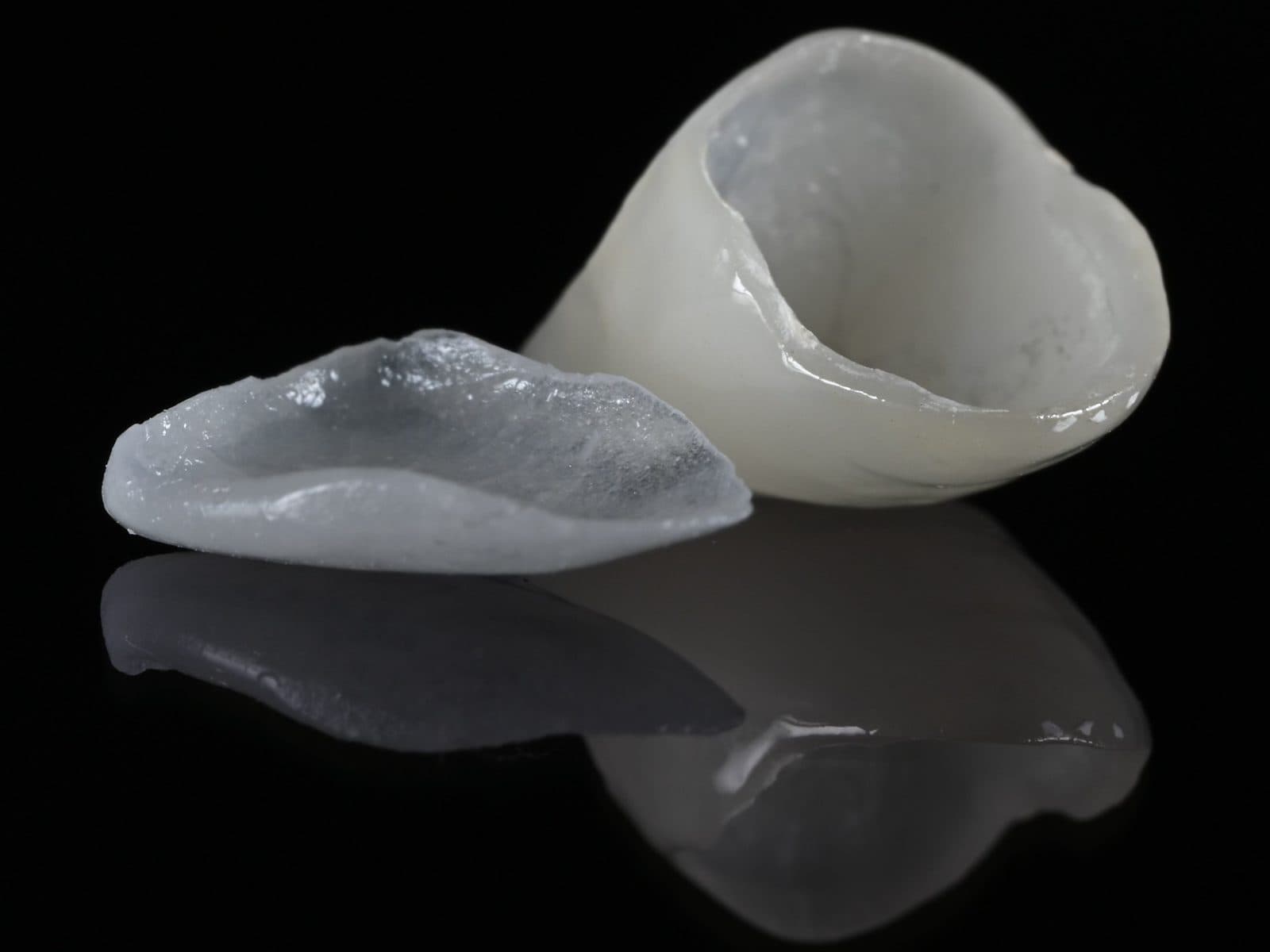
IPS e.max and Zirconia veneers typically require 0.3–0.7mm of enamel removal. Feldspathic and minimal-prep techniques can require as little as 0.1–0.3mm, or no preparation at all in select cases.
Can I get veneers in one trip to Japan?
+
Yes. We recommend 7 days in Tokyo, which leaves time for a smile simulation before the final veneers. Without a simulation, some cases take as little as 4 days. For feldspathic veneers, lab time is confirmed case by case.
Will my veneers look natural?
+
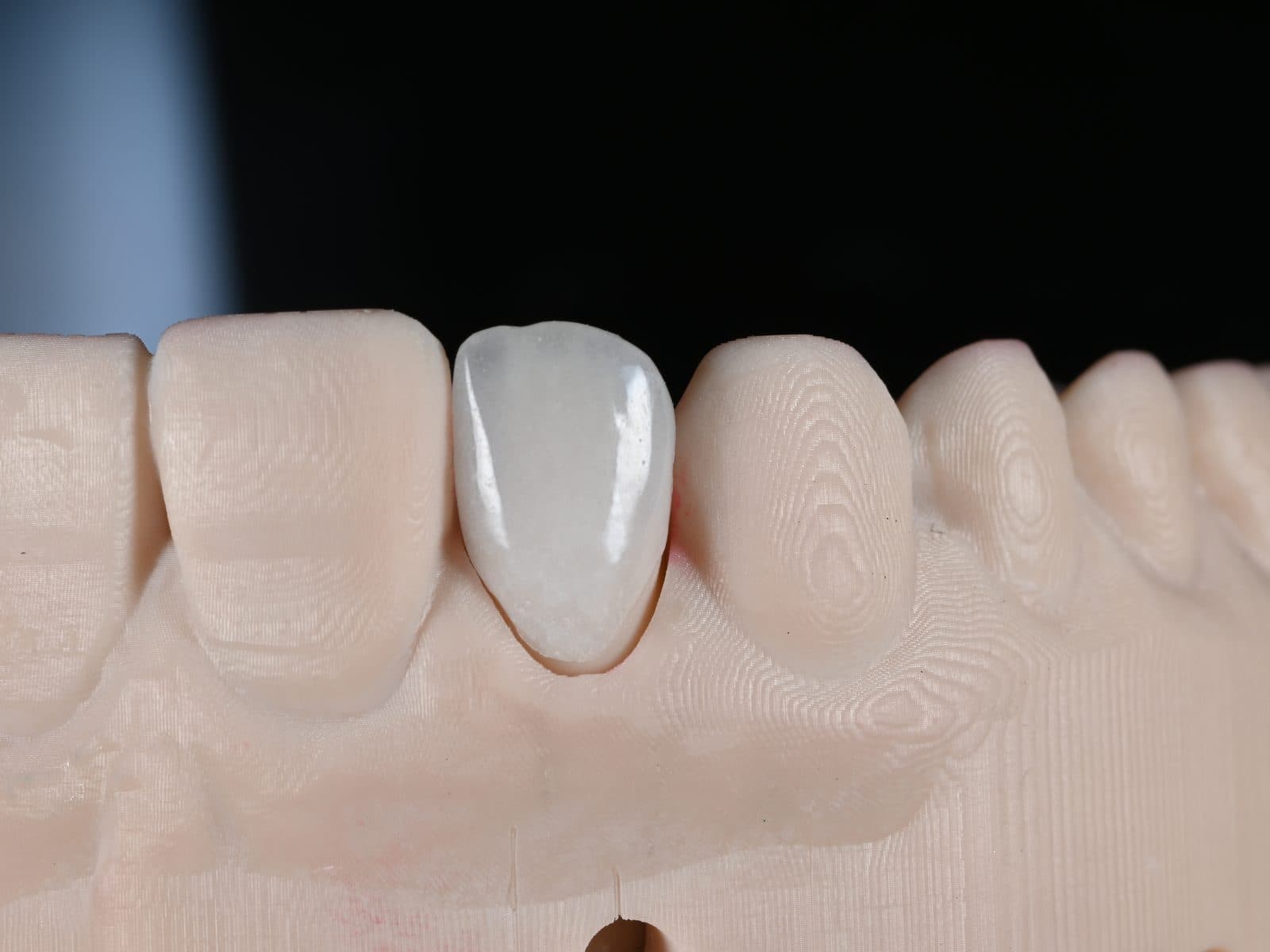
Yes. Each veneer is colour-matched to adjacent teeth or, for full smiles, designed to your facial proportions and skin tone. Feldspathic and high-translucency e.max replicate the light-handling of natural enamel.
What if a veneer chips after I return home?
+
Minor adjustments can usually be handled by a local dentist with our written records. Return visits to Rodin for in-person repair are coordinated as needed. Warranty terms confirmed in writing.
Which material is best — e.max, Zirconia, or Feldspathic?
+
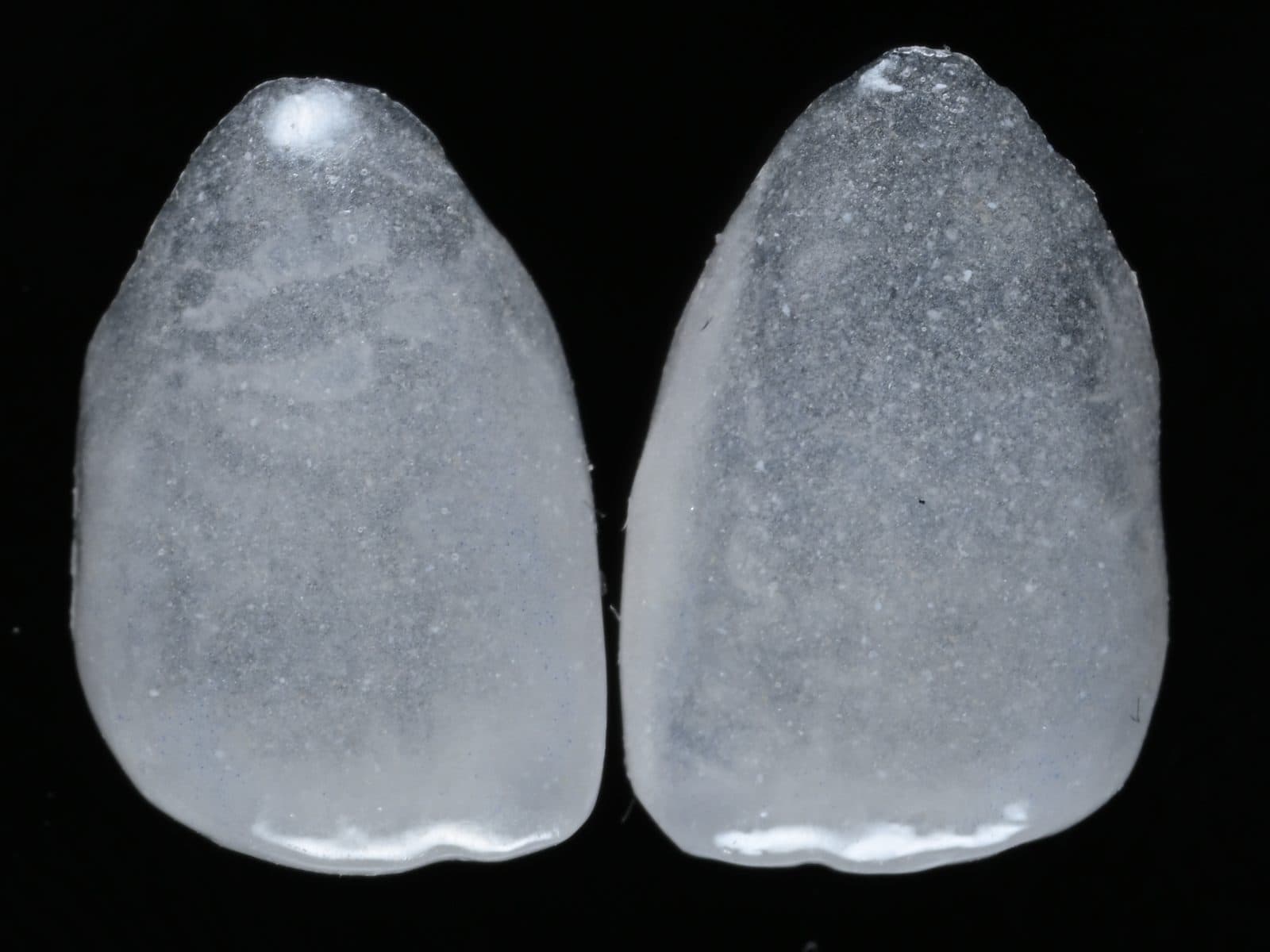
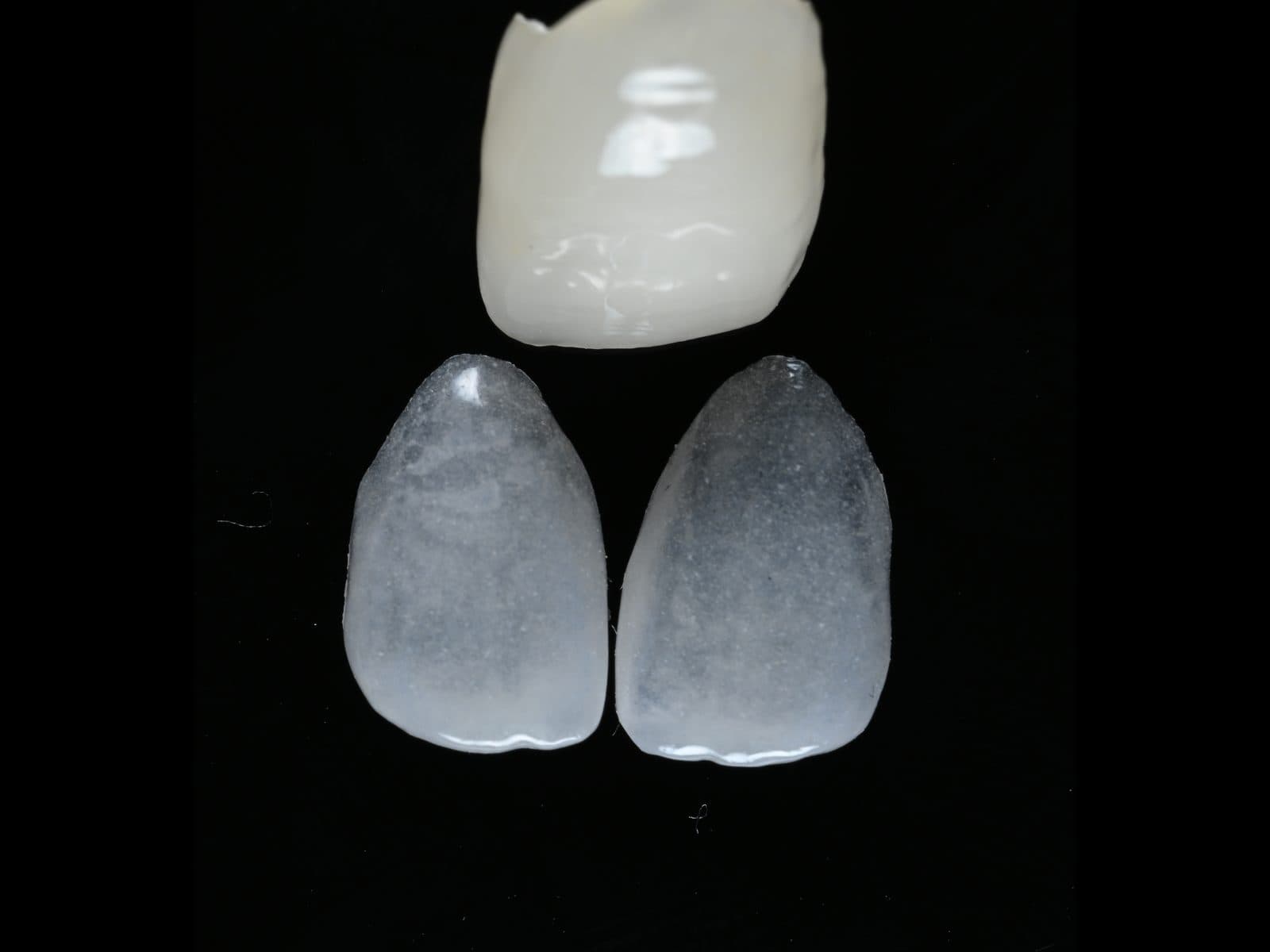
IPS e.max balances strength and aesthetics for most cases. Zirconia is the strongest, ideal for posterior or heavy-bite patients. Feldspathic is the most translucent and natural-looking, with the most conservative preparation. The choice is made during consultation.
Can everything be handled in English — and can I use my dental insurance?
+
Yes, the whole process is conducted in English when you prefer — consultations, treatment explanations, written estimates, consent forms, and aftercare (Japanese is equally available). Rodin is a self-pay clinic, so Japanese national health insurance does not apply. Instead, you receive a fully itemised receipt and written treatment records that can be submitted to private or overseas insurers — including U.S. military TRICARE — for reimbursement claims. Rodin does not bill insurers directly — claims are submitted by you using the documents we provide. Whether and how much your plan reimburses depends on your policy, so we recommend checking with your insurer before treatment.